design process with a flex PCB manufacturer
Creating flexible circuit boards involves several precise steps to achieve the desired shape and functionality. The first step begins with a detailed computer-aided design (CAD) to determine the layout of the components and any special requirements for flexing or bending of the board. This CAD will also help to specify the base materials needed for the project. The most common base material for a flex PCB is a polyimide or polyester film. These materials are thin and flexible, yet offer excellent electrical insulation properties. Conductive material is added to the flex PCB to create the electrical pathways, and copper is the most popular choice due to its good electrical conductivity, flexibility, and durability.
After the conductive path layers have been applied to the flex pcb manufacturer, an adhesive or bonding material is applied to hold the individual layer together. Lastly, a coverlay material is added to protect the conductive traces from environmental factors, and it is usually made of polyimide or polyester films.
Once the base layers and conductive layer have been applied to the flex PCB, holes with required specifications are drilled into the conductive material using laser or mechanical means. The drilled holes are then plated with copper and chemically cured to form the layer-to-layer electrical interconnections that will connect the various components on the flex circuit.
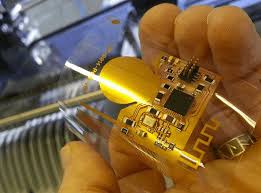
What is the design process with a flex PCB manufacturer?
A final pass of the drill or laser is then used to clean the etched surface of the copper traces. This step is important because it allows for a smooth soldering process during assembly, and it also helps to remove any imperfections from the finished product. The etching process is also used to remove any excess copper and reduce the overall weight of the flex circuit.
The fabricated flex PCB is then optically inspected and electrically tested to ensure that it meets all the specified requirements. The flex circuit can then be punched out of its panel and sent to final quality control (FQC) and packaging for storage or shipping.
As such, top manufacturers offer value-added services like design consultation, rapid prototyping, and electrical testing to ensure the final product meets the specifications. They often have in-house engineering teams to assist in designing flexible circuits that reduce assembly costs, improve product longevity, and increase reliability. Partnering with an experienced manufacturer also helps companies navigate challenges associated with Flex PCBs, such as signal integrity issues or material compatibility concerns.
When choosing a flex pcb manufacturer, it is important to work with an experienced team that has the technology and expertise to bring your design to life. The right flex circuit board manufacturing company can provide you with the streamlined process and exceptional quality that your project deserves. To get started, contact a flex pcb manufacturer with your technical files, requirements checklist and volumes to request technical feedback, DFM analysis, and budgetary quotes. Also, review a potential flex pcb manufacturer’s quality certifications and customer testimonials to help you make your decision.