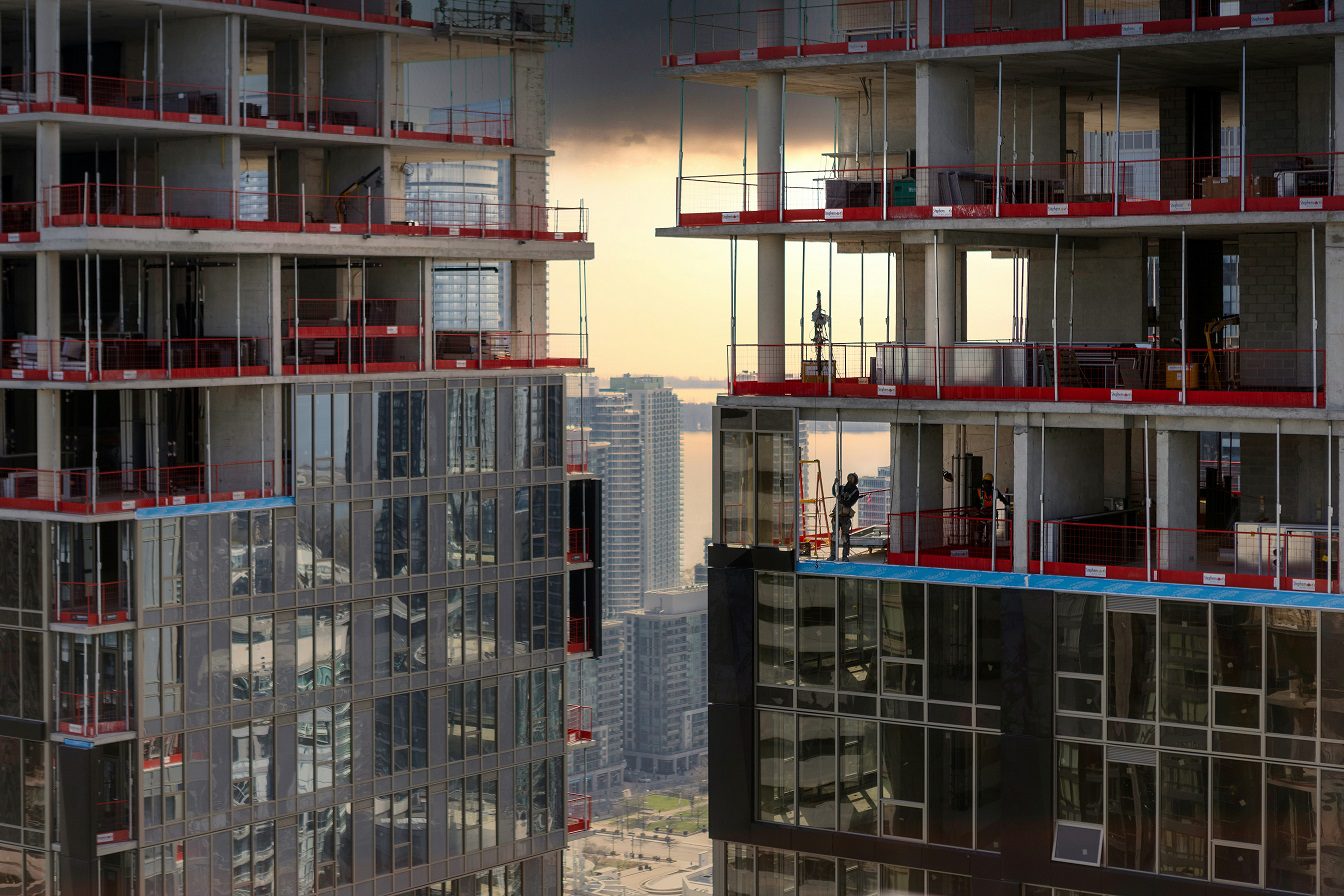
typical timeline for projects managed by Home Construction Builders
Understanding the typical timeline for projects managed by home construction builders is essential for homeowners embarking on the journey of building a new home. This timeline can vary significantly based on several factors, including the size and complexity of the project, the builder’s schedule, and local regulations. However, having a general idea of what to expect can help homeowners prepare for the various phases of construction and ensure a smoother experience.
The first phase of any construction project is the pre-construction period, which typically lasts from a few weeks to several months. This phase involves several key activities, including initial consultations with the builder, designing the home, obtaining necessary permits, and finalizing contracts. During this time, homeowners work closely with builders to develop blueprints and specifications that align with their vision and budget. Utilizing resources like HouseIdea can provide homeowners with design inspiration and help streamline the decision-making process. This preparatory phase is crucial, as thorough planning can prevent delays later in the project.
Once the pre-construction phase is complete and all permits are secured, the actual construction process begins. The timeline for this phase can vary widely, but most single-family homes take anywhere from six months to a year to complete. Factors that influence this timeline include the size of the home, the complexity of the design, and the availability of labor and materials. Builders typically break the construction process down into several key stages, including site preparation, foundation work, framing, plumbing and electrical installation, roofing, and interior finishing.

What is the typical timeline for projects managed by Home Construction Builders?
Site preparation is the initial step in the construction timeline and usually takes a few weeks. This stage involves clearing the land, grading, and excavation to ensure a solid foundation. Following this, the foundation is laid, which can take an additional few weeks depending on the complexity of the foundation design. Once the foundation is set, framing begins, which is a crucial phase that can last several weeks. During framing, the structure of the home is built, including walls, floors, and the roof. This stage sets the stage for the rest of the construction process.
After framing, the project moves into the mechanical phase, where plumbing, electrical, and HVAC systems are installed. This phase typically takes several weeks and may involve inspections by local authorities to ensure compliance with building codes. Once the mechanical systems are in place, the project enters the finishing phase, which includes insulation, drywall installation, flooring, cabinetry, and other interior details. This stage can vary significantly in duration depending on the level of customization and the choices made by the homeowner.
Throughout the construction process, builders conduct regular inspections to ensure quality and adherence to local codes. These inspections can also influence the timeline, as any necessary corrections may result in delays. After completing all construction phases, a final inspection is conducted to ensure everything meets the required standards. Once this is approved, the builder typically schedules a walkthrough with the homeowner to review the completed project and address any final concerns.
In conclusion, the typical timeline for projects managed by home construction builders can vary widely based on various factors, but understanding the general phases can help homeowners prepare for the journey. The pre-construction phase can take several weeks to months, while the actual construction often lasts between six months to a year. Effective communication with the builder and leveraging resources like HouseIdea for design inspiration can contribute to a smoother process. By being informed and engaged throughout each stage, homeowners can navigate the complexities of home construction with confidence, ultimately leading to the successful completion of their dream home.