rigid-flex printed circuit board over a regular flexible PCB
Rigid-flex printed circuit boards are hybrid designs that combine a rigid board with a flexible PCB. These boards have several advantages over traditional rigid PCBs, such as the ability to withstand vibration and bending without mechanical failure. They also offer improved connectivity by routing signals through the flex circuits instead of through wired interconnects. Rigid-flex PCBs are used in a variety of applications, including aerospace, creation, energy technology, and consumer electronics.
A rigid-flex circuit board is often less expensive than a regular flexible PCB due to the reduction in materials required to create it. Moreover, it can have fewer connectors and joints, which reduces the overall cost of the final assembly. This cost savings may be a significant factor for small businesses and startup companies that are working with limited budgets.
In addition to the aforementioned benefits, rigid-flex printed circuit board have some unique features that can provide additional value to your product. These include the flexibility to bend in areas that are not populated with components, as well as stiffeners placed near component locations to limit stress on the board-component connections. Additionally, rigid-flex circuit boards have excellent heat resistance and can operate in extreme environments without damaging the board or its components.
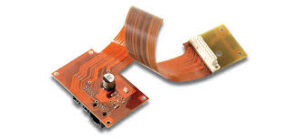
Why choose a rigid-flex printed circuit board over a regular flexible PCB
These circuit boards also feature a high level of conductivity, which makes them suitable for use in complex electronic devices that require high-speed signals with controlled impedance. They can also withstand high-heat environments, providing the reliability necessary for rugged products like portable medical devices and IoT wearables. However, implementing certain design and manufacturing considerations can help reduce the risk of thermal failure in a rigid-flex circuit board, such as choosing a material with low coefficient of thermal expansion (CTE), incorporating thermal management techniques, optimizing copper plane dimensions and thickness, utilizing rigid-flex materials that are conductive, and making sure the flex circuits are adequately spaced.
Rigid-flex PCBs are often more difficult to test than standard rigid PCBs, and they require special inspection equipment and approaches. They can be costly to repair or replace as compared to a traditional rigid circuit board, and they may take longer to manufacture than other types of PCBs. However, these challenges can be overcome by partnering with a manufacturer that has experience designing and fabricating rigid-flex circuit boards.
In summary, rigid-flex PCBs are a transformative solution in the electronics industry, offering unparalleled design flexibility, reliability, and space-saving capabilities. They are the backbone of many modern innovations, enabling manufacturers to create devices that are smaller, lighter, and more efficient.
While designing a rigid-flex circuit board may seem complicated, it doesn’t have to be when you choose the right tools. Using an advanced PCB design software like Altium Designer, which offers 3D layout and routing, can simplify the process and enable you to quickly and easily design a rigid-flex circuit board. With its unified design model and comprehensive rules engine, it’s easy to adapt your rigid-flex design to meet any project requirements.