Quick Turn PCBs Compare to Traditional PCBs
The manufacturing and assembly of printed circuit boards (PCBs) can be a time-consuming endeavor. Getting all the factors right, from design and prototyping to fabrication and assembly can require extensive testing and the use of multiple resources. The good news is that PCB manufacturers offer a quick turn option for customers who are in need of a fast turnaround to meet deadlines and delivery schedules. This option allows you to avoid the costs and delays associated with the rework of defective products and ensure that the final product is free from technical errors.
The PCB prototype stage is crucial for the success of a new electronic design. During this phase, any ambiguous details or undefined requirements are corrected or added to the original design. This is done before the full-production process begins to minimize production expenses. In addition, it helps to avoid any problems in the assembly of the finished product.
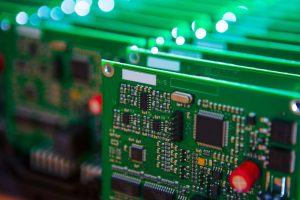
In the prototype stage, it’s critical to have a reliable partner to support your quick turn circuit boards needs. This partner should be able to handle all stages of the PCB manufacturing and assembly, including prototype to beta builds and pre-production. They should also be able to work with your production volume, whether you’re planning for low-volume production or high-volume orders.
How Does the Weight of Quick Turn PCBs Compare to Traditional PCBs?
A PCB manufacturer should have the capacity to work with all types of materials, finishes, and components. They should also be able to meet your production volume demands and deliver quality results on time. The key to finding a trustworthy, experienced PCB manufacturer is to look for one with a track record of customer satisfaction and proven processes and equipment.
When it comes to PCBs, the weight varies depending on the type of material used. Generally, the more copper in a board, the heavier it is. However, the thickness of a PCB can also affect its weight. Thicker boards are heavier than thinner ones, but they provide more stability and durability.
There are a number of ways to reduce the weight of your PCB. For example, you can use copper with a lower thickness or add more layers to the PCB. You can also reduce the number of components on a PCB or switch to lead-free soldering. These are all great ways to cut down on the weight of a PCB without sacrificing its performance or function.
In order to ensure that your PCB will be made according to your specifications, you should send the design files to the PCB manufacturer in a Gerber format. This file will allow the manufacturer to check the PCB for manufacturability and verify the materials and technical specifications according to your design requirements.
Another way to reduce the weight of your PCB is by using a lightweight material such as polyimide or FR4. These materials are both lightweight and durable. They are also resistant to humidity, heat, and vibrations. These properties make them ideal for IoT devices that need to be small, portable, and durable.