What is Single-Sided Flex PCB Fabrication?
In the world of flex PCB fabrication, a variety of designs are used to meet the unique needs of electronic devices. One such design is the single-sided flex PCB, which offers a cost-effective and versatile solution for many applications. Single-sided flex PCBs are simple yet highly functional, and they play a crucial role in devices that require flexibility, compactness, and lightweight construction. But what exactly is single-sided flex PCB fabrication, and why is it so important in modern electronics?
Understanding Single-Sided Flex PCB Fabrication
Single-sided flex PCB fabrication refers to the process of creating flexible printed circuit boards with all the electronic components and conductive traces placed on only one side of the flexible substrate. This type of PCB is one of the most basic designs in flex pcb fabrication, making it relatively easier and more affordable to produce compared to more complex multi-layer designs. Single-sided flex PCBs typically consist of a flexible base material, such as polyimide, which is bonded to a thin layer of copper that forms the circuit traces. These traces are then patterned, allowing the PCB to carry electrical signals and power to various components.
Key Benefits of Single-Sided Flex PCBs
The primary advantage of single-sided flex PCBs is their simplicity. The design process for single-sided flex PCBs is less complex than that of multi-layer or double-sided flex PCBs, which means they can be produced more quickly and at a lower cost. This makes single-sided flex PCBs an attractive option for mass-produced consumer electronics, wearables, and other devices that don’t require complex circuitry or extensive component placement.
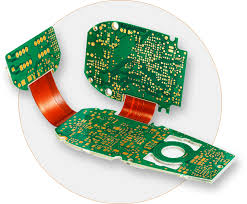
Another benefit of single-sided flex PCB fabrication is the flexibility it offers. The flexible nature of the substrate allows the PCB to be bent or folded, making it ideal for applications where space is limited or the device must fit into compact or curved environments. For example, single-sided flex PCBs are commonly used in portable electronics, such as smartphones, fitness trackers, and even medical devices, where small, flexible components are essential.
Applications of Single-Sided Flex PCBs
Single-sided flex PCBs are used in a wide range of applications across various industries. In consumer electronics, they are often used in devices like wearables, headphones, and cameras. These applications benefit from the light weight and flexibility of the single-sided design, which allows the PCB to be integrated into tight spaces without compromising on performance. The flexibility also makes it possible to incorporate the circuit into unusual shapes or curved forms, providing greater design freedom.
In automotive and medical industries, single-sided flex PCBs are used in sensors, control systems, and diagnostic tools. The compact nature of single-sided flex PCBs makes them well-suited for these applications, where minimizing size while ensuring reliable performance is crucial. Furthermore, single-sided designs can be ideal for flexible interconnects, where a single-layer PCB is sufficient to make the necessary connections between components.
Manufacturing Process for Single-Sided Flex PCBs
The process of flex PCB fabrication for single-sided designs begins with selecting a flexible base material, typically polyimide or another flexible polymer. Copper is then laminated onto the base material to form the conductive layer. The next step involves applying a photoresist layer, which is exposed to light to create the desired circuit pattern. After developing the photoresist, unwanted copper is removed using an etching process, leaving behind the circuit traces.
Once the traces are in place, the board is coated with a protective layer, often a coverlay, to shield the circuitry from environmental factors like moisture, dirt, and physical wear. The board can then be tested for electrical continuity and other performance factors before being cut into the desired shape and size. Finally, components are mounted onto the board using various assembly techniques like soldering or surface-mount technology (SMT).
Conclusion
Single-sided flex PCB fabrication is an essential technology for creating compact, lightweight, and flexible circuits. It offers a simple yet effective solution for a variety of electronic devices that require minimal complexity but high performance. With its cost-effective manufacturing process, versatility in design, and wide range of applications, single-sided flex PCBs continue to be a popular choice for manufacturers and designers across various industries. As demand for flexible electronics grows, the importance of single-sided flex PCBs in the world of flex PCB fabrication will only continue to increase.